EveryEvent Boston

Browse All Events

Find every event in Boston

events

Concerts & Live Music
Festivals
Sports & Recreation
Food & Drink
Arts & Culture
Community
Family & Kids
Nightlife
Comedy
Theater
Popular Destinations
BaliSedonaLos AngelesCosta RicaNew YorkSan FranciscoAustinMiamiJoshua TreeTulum
View All CategoriesView All Destinations

Explore All Features

Powerful tools to grow your events

Platform Features

Smart Dynamic Pricing
Ticket Categories
Assigned Seating
Abandoned Cart Recovery
Visitor Recovery
Donations & Sliding Scale
Affiliate Engine
Ticket Scanner
Coupon Codes
Custom Questions
Ticket Sharing
Upsells & Add-ons
Analytics & Reporting
Email Sequences
Waitlist / Notify / Remind
Explore
Discovery HubArtists & PerformersVenuesKnowledge Base
View All FeaturesAbout Us
PricingBlog
Language
Saved events
Browse All Events

events

Concerts & Live MusicFestivalsSports & RecreationFood & DrinkArts & CultureCommunityFamily & KidsNightlife

Popular Destinations

BaliSedonaLos AngelesCosta RicaNew YorkSan Francisco

Explore

Discovery HubArtists & PerformersVenuesKnowledge Base

Platform Features

Smart Dynamic PricingTicket CategoriesAssigned SeatingAbandoned Cart RecoveryVisitor RecoveryDonations & Sliding ScaleAffiliate EngineTicket ScannerCoupon CodesCustom QuestionsTicket SharingUpsells & Add-onsAnalytics & ReportingEmail SequencesWaitlist / Notify / Remind
View All FeaturesAbout Us
PricingBlog
Log inSign UpEvent Organizers
  • Browse All Events
  • Concerts & Live Music
  • Festivals
  • Sports & Recreation
  • Food & Drink
  • Arts & Culture
  • Community
  • Family & Kids
  • Nightlife
  • All Categories →
  • Cape Cod
  • Providence
  • Portland, ME
  • The Berkshires
  • Newport
  • All Destinations →
  • For Promoters
  • For Artists
  • For Venues
  • For Festivals
  • For Event Spaces
  • For Nonprofits
  • For Bloggers
  • For Speakers
  • Brand Ambassador
  • Case Studies
  • 350K+ Buyer Network
  • Abandoned Cart Recovery
  • Smart Dynamic Pricing
  • Ticket Categories
  • Recurring Events
  • Assigned Seating
  • Affiliate Engine
  • Waitlist / Notify
  • Ticket Scanner
  • Embed Widget
  • Event Syndication
  • Message Center
  • Integrations
  • Reports
  • All Features →
  • About
  • The Ecosystem
  • Blog
  • Glossary
  • Inspiration
  • Help Center
  • Contact
  • API Docs
  • Brand Assets
  • Careers
  • Press
  • Terms of Service
  • Privacy Policy

Events

  • Browse All Events
  • Concerts & Live Music
  • Festivals
  • Sports & Recreation
  • Food & Drink
  • Arts & Culture
  • Community
  • Family & Kids
  • Nightlife
  • All Categories →

Getaways

  • Cape Cod
  • Providence
  • Portland, ME
  • The Berkshires
  • Newport
  • All Destinations →

For Organizers

  • For Promoters
  • For Artists
  • For Venues
  • For Festivals
  • For Event Spaces
  • For Nonprofits
  • For Bloggers
  • For Speakers
  • Brand Ambassador
  • Case Studies

Features

  • 350K+ Buyer Network
  • Abandoned Cart Recovery
  • Smart Dynamic Pricing
  • Ticket Categories
  • Recurring Events
  • Assigned Seating
  • Affiliate Engine
  • Waitlist / Notify
  • Ticket Scanner
  • Embed Widget
  • Event Syndication
  • Message Center
  • Integrations
  • Reports
  • All Features →

Company

  • About
  • The Ecosystem
  • Blog
  • Glossary
  • Inspiration
  • Help Center
  • Contact
  • API Docs
  • Brand Assets
  • Careers
  • Press
  • Terms of Service
  • Privacy Policy
EveryEvent
© 2026 EveryEvent Boston. All rights reserved.
Inspiration

Reishi Mushroom Taxonomy &Immune Benefits Explained

Paul Stamets
Paul Stamets
Sep 29, 2009
6 min read
Watch · 4

Reishi mushrooms (Ganoderma lucidum var. resinaceum) are not a single species but rather a large clade of varieties with distinct taxonomic designations. These polypores contain compounds that work synergistically to deliver powerful antiviral, immunomodulatory, and anti-inflammatory effects, strengthening the body's ability to resist microbial infections and prevent cancerous cell growth.

Read · 7 sections

What is the correct scientific name for Reishi mushrooms?

A common source of confusion in mycology involves the naming of Reishi mushrooms. Stamets clarifies that while many people refer to this mushroom simply as Ganoderma lucidum, this designation oversimplifies the organism's actual biological diversity. The mushroom is more accurately called Ganoderma lucidum var. resinaceum — indicating that it represents a specific variety within a much larger clade of related species and varieties.

This precision in naming matters because Ganoderma lucidum encompasses multiple distinct varieties, each with potentially different properties and growing characteristics. By specifying the variety name, researchers and cultivators acknowledge the biological complexity of what is often sold under the umbrella term "Reishi" in health markets worldwide. For those serious about mycology and the accuracy of their botanical knowledge, understanding this distinction is essential.

Why is Reishi considered a polypore, and what does that mean?

Stamets describes Reishi as a "beautiful polypore," a classification that refers to the fungus's structure. Polypores are fungi that produce spores from tiny pores underneath the fruiting body, rather than from gills as with typical mushrooms. This structural characteristic influences how the mushroom develops, reproduces, and concentrates its bioactive compounds.

The polypore classification is not merely taxonomic pedantry — it connects directly to the mushroom's efficacy as a medicinal organism. The dense woody structure of polypores like Reishi allows them to accumulate and concentrate bioactive compounds over time, which is why these mushrooms have been studied intensively for their health applications.

What are the main bioactive properties of Reishi mushrooms?

Reishi contains three primary categories of bioactive properties that Stamets emphasizes work together synergistically:

  • Antiviral: The mushroom contains compounds that inhibit viral replication and spread within the body.
  • Immunomodulatory: Rather than simply stimulating immunity, Reishi helps regulate immune function, bringing an overactive immune system into balance or strengthening a weakened one.
  • Anti-inflammatory: Chronic inflammation underlies many modern diseases, and Reishi's anti-inflammatory compounds help reduce this systemic stress.

What makes Reishi particularly powerful is the synergistic interaction of these properties. Stamets emphasizes that these effects do not work in isolation — they combine and reinforce each other to create "a very powerful host defense of resistance against diseases."

How does Reishi support the body's defense against infection and disease?

Stamets identifies two major pathways through which Reishi strengthens the body's resistance:

Defense against microbial infection: The antiviral and anti-inflammatory compounds in Reishi help the body resist bacterial and viral infections. By modulating the immune response and directly inhibiting pathogen replication, the mushroom creates an unfavorable environment for infectious disease.

Defense against cancer: Stamets notes a less obvious but equally important function: supporting the immune system in eliminating cancerous cells that naturally arise in everyone's body. This is crucial because, as Stamets points out, every person accumulates cancerous cells throughout their lifetime. A healthy immune system continuously scavenges and removes these aberrant cells before they proliferate into clinically detectable tumors. When the immune system cannot keep up with this housekeeping function, cancer can develop. By supporting immune function through immunomodulatory mechanisms, Reishi helps maintain the body's capacity to suppress cancer before it manifests as disease.

What does "synergistic" mean in the context of Reishi's bioactive compounds?

Stamets uses the term "synergistically" deliberately. This means that the antiviral, immunomodulatory, and anti-inflammatory properties do not simply add up to a stronger effect — they interact in ways that amplify the overall impact. One compound may prime the immune system, while another reduces inflammation, allowing the immune system to function more efficiently. A third may directly attack pathogens while the immune system is operating at peak effectiveness.

This synergy is why taking Reishi as a whole mushroom or extract is more effective than isolating individual compounds. The complex chemistry of the fruiting body, developed over the mushroom's growth cycle, creates a balanced blend of compounds that work together far more powerfully than any single active ingredient could achieve alone.

Why does accurate taxonomy matter for medicinal mushroom cultivation and use?

Stamets opens his discussion by noting the importance of accuracy and taxonomy for those who care about precision. This is not a small point. In the commercial mushroom market, many products labeled "Reishi" or "Ganoderma lucidum" may actually come from different varieties or even different species altogether. Some varieties may have stronger bioactive profiles than others; some may grow faster or be easier to cultivate; some may have significantly different chemical compositions.

When researchers like those at Fungi Perfecti study Reishi specimens, specifying the exact variety — such as Ganoderma lucidum var. resinaceum — ensures that their findings apply to that specific organism. This precision allows cultivators to select the varieties most suited to their growing conditions and desired outcomes, and allows consumers to know what they are actually purchasing.

Without attention to taxonomy, the field of medicinal mycology becomes muddled by confusion and marketing claims that may not apply to the specific organism in question.

Where to go from here

For those interested in deepening their understanding of Reishi, several paths forward are available. First, seek out suppliers who specify the exact variety of Reishi they are growing or selling — Ganoderma lucidum var. resinaceum rather than a generic "Ganoderma lucidum" label. Second, look into the research literature on polypores and their immunomodulatory compounds; the science supporting Reishi's efficacy continues to expand. Third, consider exploring other polypore species that share similar bioactive profiles, such as Turkey Tail or Artist's Conk, which may offer complementary health benefits. Finally, if you are interested in cultivation, organizations like Fungi Perfecti provide resources for growing Reishi and other medicinal mushrooms at home or small scale, allowing you to study these organisms firsthand and ensure the quality and identity of what you consume.
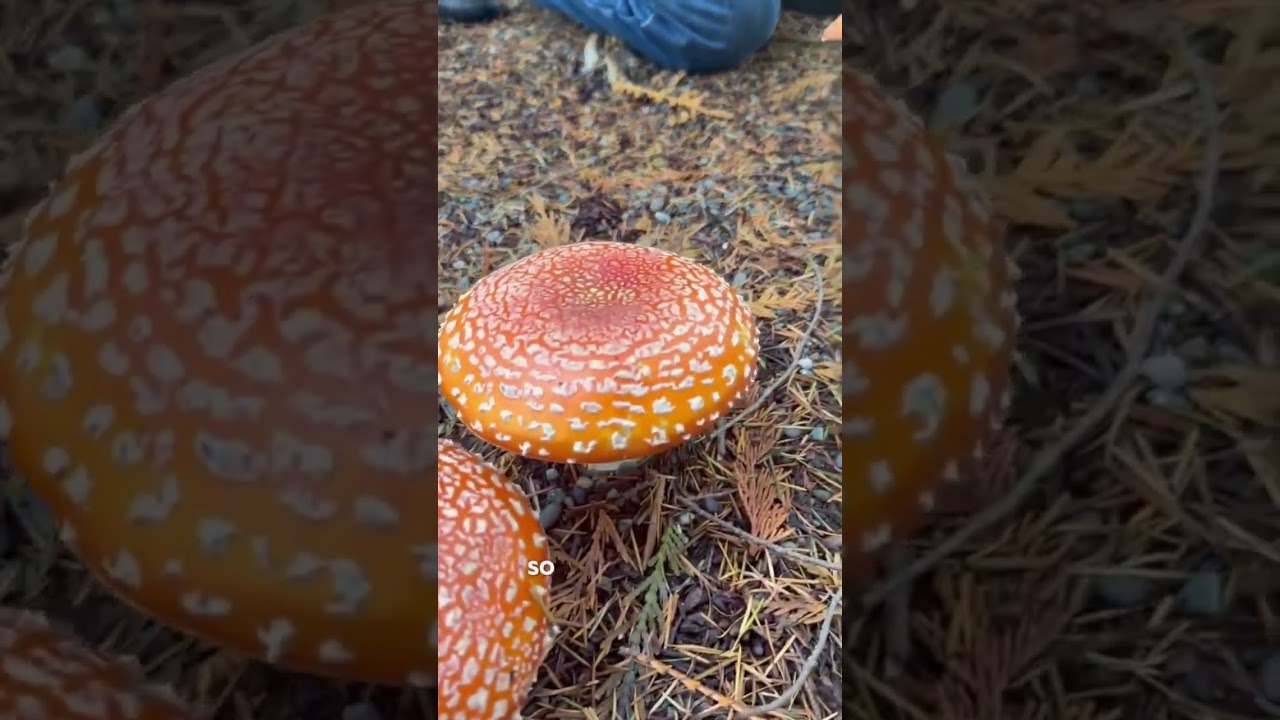
Transcript

[0:00] okay for those who are passionate about

[0:02] accuracy and taxonomy this mushroom was

[0:05] called a gadal lucidum but actually it's

[0:08] a large clade of individual varieties

[0:11] and species more accurately called

[0:13] ganoderol lucidum variety

[0:15] rium this is a beautiful U polypore

[0:19] which we've been studying and has very

[0:21] strong antiviral immunomodulatory and

[0:24] anti-inflammatory properties and these

[0:27] in combinations synergistically afford

[0:30] you a very powerful host defense of

[0:32] resistance against diseases whether

[0:35] those diseases are microbially induced

[0:37] such as bacteria or viruses or whether

[0:41] your immune system cannot keep up with

[0:43] Scavenging away the cancerous cells that

[0:45] we all have in our

[0:49] body

Paul Stamets
AuthorPaul Stamets

Mycologist and advocate who has dedicated his life to studying mushrooms and their transformative potential to heal people and restore the planet through medicine, agriculture, and…

View profileWebsite
Explore Topics
Reishi-mushroomGanoderma-lucidumImmunomodulatoryAntiviralPolypore

Got Questions?

Frequently Asked Questions

Ganoderma lucidum is a large clade of individual varieties and species, while Ganoderma lucidum var. resinaceum is a specific variety within that clade. The variety designation is more scientifically accurate and important for research and cultivation purposes.
Reishi contains antiviral, immunomodulatory, and anti-inflammatory compounds that work synergistically. These properties help the body resist bacterial and viral infections and support the immune system's ability to eliminate cancerous cells that naturally arise in everyone's body.
Immunomodulatory means the mushroom helps regulate immune function rather than simply stimulating it. It can strengthen a weakened immune system or help balance an overactive one, tailoring the immune response to what the body actually needs.
Polypores are fungi that produce spores from pores underneath the fruiting body rather than gills. This structure allows them to accumulate and concentrate bioactive compounds over time, which is why polypores like Reishi are so effective medicinally.
Reishi supports the immune system's natural ability to scavenge and remove cancerous cells that everyone develops throughout their lifetime. By strengthening this immunological housekeeping function, Reishi may help prevent cancer from developing before it becomes clinically detectable.
Synergistic means the antiviral, immunomodulatory, and anti-inflammatory properties of Reishi work together in ways that amplify the overall effect far beyond what any single compound could achieve alone.

Continue Reading

More from Paul

View All
Amanita Muscaria: History, Identification & Safety of Fly Agaric
Featured

Amanita Muscaria: History, Identification & Safety of Fly Agaric

Amanita muscaria, the fly agaric, has ancient roots in pest control and cultural mythology. Despite its striking beauty, this mushroom poses…

1 min read
Lactarius Deliciosus: Identifying & Foraging the Saffron Cap
Featured

Lactarius Deliciosus: Identifying & Foraging the Saffron Cap

The saffron milk cap (Lactarius deliciosus) is an easy-to-identify edible mushroom with striking green staining and orange milk. Learn how t…

1 min read
How Sitting Still Proves You're Already Awakening
Featured

How Sitting Still Proves You're Already Awakening

Most people can't sit quietly without discomfort, but if you can, you're already further along spiritually than you realize. Eckhart Tolle e…

1 min read
The Missing Piece: How Real Thinking Creates Real Results
Featured

The Missing Piece: How Real Thinking Creates Real Results

Most vision boards fail because people skip the actual thinking. Eckhart Tolle reveals the rhythm that unlocks insight and the two distinct …

1 min read

Keep exploring

Continue your journey

More wisdom and gatherings from across the BrightStar directory.

More Articles

Browse the full library of teachings, interviews, and guides.

Back to all articles →

Teachers & Artists

Explore the lineages, musicians, and guides of the conscious world.

Explore artists →

Find an Event

Kirtan, retreats, sound baths, breathwork, festivals — happening soon.

Browse events →