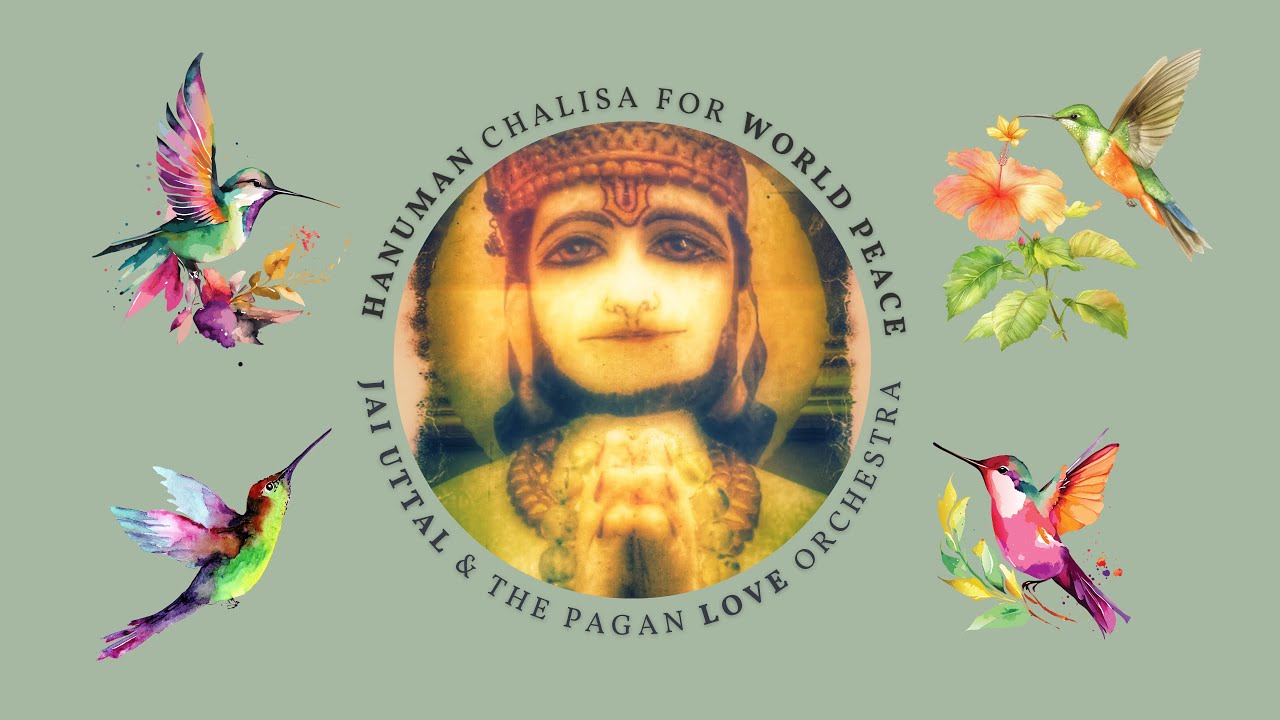
Jai Uttal presents a powerful kirtan chant of the name "Ram," drawing on the teaching that invoking divine names creates the conditions for transformation and wholeness. The practice reflects two foundational spiritual principles: Neem Karoli Baba's assertion that "with the name of Ram all things are possible," and Sri Siddhi Ma's warning that sustained spiritual practice through chanting is essential in modern times to maintain integration of body, mind, and spirit. This nine-minute performance, recorded at Blue Spirit in Costa Rica during a New Year's celebration, demonstrates how repetitive vocalization of sacred names anchors practitioners in presence and divine connection.
What is the significance of chanting Ram in spiritual practice?
In Hindu and yogic traditions, the name "Ram" carries multivalent power. Ram refers not only to the avatar Rama, the seventh incarnation of Vishnu in Hindu cosmology, but also functions as a mantra—a sacred sound designed to focus and elevate consciousness. When practitioners chant Ram repeatedly, they are not merely pronouncing a word; they are invoking a vibrational frequency associated with divine qualities: truth, virtue, compassion, and justice as embodied by Rama in Hindu mythology.
Neem Karoli Baba Maharajji, the revered guru who influenced contemporary Western kirtan and spiritual movements, taught that "with the name of Ram all things are possible." This teaching suggests that the practice of chanting Ram is not metaphorical but potent—that sustained repetition of the name creates tangible shifts in consciousness and circumstance. The name becomes a vehicle through which devotees access divine grace. Rather than conceptual meditation on abstract qualities, kirtan practitioners work directly with sound as a transformative technology.
How does chanting maintain embodied spiritual presence?
Sri Siddhi Ma, another lineage teacher, offered a complementary teaching: "In this day and age, if you don't sing God's name your limbs won't stay attached to your body!" This statement points to a modern spiritual crisis—the fragmentation and dissociation that characterizes contemporary life. The rapid pace of technology, constant mental stimulation, and disconnection from sacred practice fragment the human organism into scattered attention and disembodied cognition.
Kirtan and chanting practices address this fragmentation through embodied sound. When practitioners vocalize Ram in community, they engage multiple dimensions simultaneously: the breath, the vocal cords, the resonance chambers of the body, the emotional heart, the listening ear, and the collective field created by other singers. This integrated engagement of body and spirit through sound is what keeps "limbs attached to the body"—it maintains coherence and wholeness in an age that constantly pulls consciousness out of the body and into abstraction.
The chant is not an escape from embodiment but a deepening into it. Each repetition of Ram vibrates through the nervous system, grounds attention in the present moment, and re-establishes the connection between individual consciousness and the divine presence that sustains all life.
What is the role of kirtan in contemporary spiritual life?
Kirtan—the practice of call-and-response devotional singing—has ancient roots in Indian bhakti traditions but has gained prominence in Western spiritual circles as an accessible entry point into contemplative practice. Unlike meditation, which requires sustained mental stillness, kirtan engages the voice and the body. Unlike intellectual study of scripture, kirtan works through feeling and embodied repetition.
Jai Uttal, who leads this Ram chant, is a contemporary kirtan musician who has brought these practices to global audiences. His work demonstrates how ancient spiritual technologies remain vital and relevant. The New Year's celebration setting is significant: New Year is a threshold moment when practitioners often seek renewal and reorientation toward what matters most. A nine-minute Ram chant at such a moment functions as a reset—a way to consecrate the new year through direct invocation of divine presence.
The presence of Visvambhar Sheth on multiple instruments—mridanga (frame drum), bansuri (bamboo flute), and vocals—creates a rich sonic container. The mridanga provides rhythmic anchor, the bansuri evokes the flute of Krishna (another form of the divine in Hindu tradition), and the vocals carry the primary invocation. This instrumental layering allows listeners to find their own entry point: those drawn to rhythm, those moved by melody, those who respond to words.
How does repetitive chanting affect the nervous system and consciousness?
Neuroscience is increasingly validating what contemplative traditions have long known: repetitive vocalization of mantras and sacred names induces measurable changes in brain activity and nervous system regulation. Chanting engages the vagus nerve, which is central to the parasympathetic nervous system—the body's relaxation response. When practitioners chant Ram, they activate this calming pathway through sustained vocalization and breathing.
Additionally, the repetitive nature of kirtan creates what neuroscientists call "entrainment"—the tendency of rhythmic systems to synchronize. When a group chants together, individual nervous systems begin to synchronize with one another and with the musical rhythm. This creates a state of coherence where individual boundaries soften and practitioners experience a sense of unity and belonging. The name Ram, repeated hundreds of times in a nine-minute session, becomes less a conceptual idea and more a lived experience—the boundary between subject and object, between the one who chants and the name being chanted, begins to dissolve.
This is not mere psychology or pleasant feelings—it is a fundamental shift in how consciousness is organized. Sri Siddhi Ma's teaching implies that without such practice, modern consciousness remains fragmented and dissociated. With it, wholeness is restored.
What does the New Year's context add to this practice?
Recording this Ram chant during a New Year's celebration at Blue Spirit (a yoga and retreat center in Costa Rica) is not incidental detail. New Year represents a universal moment of reflection and recommitment. In spiritual contexts, New Year celebrations often include practices designed to purify, reset, and realign intention.
A nine-minute kirtan of Ram functions as exactly this kind of threshold practice. The sustained chanting serves as a sonic purification—clearing accumulated mental impressions and returning consciousness to its essential nature. The invocation of Ram at year's beginning also sets a spiritual direction: practitioners consecrate the coming year by anchoring their intention in divine presence from the outset, rather than allowing the year to unfold according to habit and unconscious patterns.
The community setting—multiple people chanting together at a retreat center—amplifies this effect. Individual transformation becomes collective transformation. The practice is not privatized meditation but shared invocation, which both increases its power and makes it more accessible to those who feel called to participate.
Where to go from here
If this teaching resonates, several pathways deepen the practice. First, seek out live kirtan events or recordings where you can hear the invocations sung. The sound itself carries transmission—simply listening to devotional singers like Jai Uttal can activate the same relaxation response and consciousness shift that active chanting produces, though participation amplifies the effect. Second, experiment with chanting Ram yourself—even five to ten minutes of sustained repetition, alone or in a group, will demonstrate the embodied shifts described here. Notice how your nervous system settles, how your breath becomes longer and deeper, how your attention anchors in the present moment. Third, explore the lineage teachings of Neem Karoli Baba and Sri Siddhi Ma to deepen understanding of why these practices matter. The modern spiritual crisis of fragmentation and dissociation is real; kirtan offers a direct, embodied antidote.