EveryEvent Boston

Browse All Events

Find every event in Boston

events

Concerts & Live Music
Festivals
Sports & Recreation
Food & Drink
Arts & Culture
Community
Family & Kids
Nightlife
Comedy
Theater
Popular Destinations
BaliSedonaLos AngelesCosta RicaNew YorkSan FranciscoAustinMiamiJoshua TreeTulum
View All CategoriesView All Destinations

Explore All Features

Powerful tools to grow your events

Platform Features

Smart Dynamic Pricing
Ticket Categories
Assigned Seating
Abandoned Cart Recovery
Visitor Recovery
Donations & Sliding Scale
Affiliate Engine
Ticket Scanner
Coupon Codes
Custom Questions
Ticket Sharing
Upsells & Add-ons
Analytics & Reporting
Email Sequences
Waitlist / Notify / Remind
Explore
Discovery HubArtists & PerformersVenuesKnowledge Base
View All FeaturesAbout Us
PricingBlog
Language
Saved events
Browse All Events

events

Concerts & Live MusicFestivalsSports & RecreationFood & DrinkArts & CultureCommunityFamily & KidsNightlife

Popular Destinations

BaliSedonaLos AngelesCosta RicaNew YorkSan Francisco

Explore

Discovery HubArtists & PerformersVenuesKnowledge Base

Platform Features

Smart Dynamic PricingTicket CategoriesAssigned SeatingAbandoned Cart RecoveryVisitor RecoveryDonations & Sliding ScaleAffiliate EngineTicket ScannerCoupon CodesCustom QuestionsTicket SharingUpsells & Add-onsAnalytics & ReportingEmail SequencesWaitlist / Notify / Remind
View All FeaturesAbout Us
PricingBlog
Log inSign UpEvent Organizers
  • Browse All Events
  • Concerts & Live Music
  • Festivals
  • Sports & Recreation
  • Food & Drink
  • Arts & Culture
  • Community
  • Family & Kids
  • Nightlife
  • All Categories →
  • Cape Cod
  • Providence
  • Portland, ME
  • The Berkshires
  • Newport
  • All Destinations →
  • For Promoters
  • For Artists
  • For Venues
  • For Festivals
  • For Event Spaces
  • For Nonprofits
  • For Bloggers
  • For Speakers
  • Brand Ambassador
  • Case Studies
  • 350K+ Buyer Network
  • Abandoned Cart Recovery
  • Smart Dynamic Pricing
  • Ticket Categories
  • Recurring Events
  • Assigned Seating
  • Affiliate Engine
  • Waitlist / Notify
  • Ticket Scanner
  • Embed Widget
  • Event Syndication
  • Message Center
  • Integrations
  • Reports
  • All Features →
  • About
  • The Ecosystem
  • Blog
  • Glossary
  • Inspiration
  • Help Center
  • Contact
  • API Docs
  • Brand Assets
  • Careers
  • Press
  • Terms of Service
  • Privacy Policy

Events

  • Browse All Events
  • Concerts & Live Music
  • Festivals
  • Sports & Recreation
  • Food & Drink
  • Arts & Culture
  • Community
  • Family & Kids
  • Nightlife
  • All Categories →

Getaways

  • Cape Cod
  • Providence
  • Portland, ME
  • The Berkshires
  • Newport
  • All Destinations →

For Organizers

  • For Promoters
  • For Artists
  • For Venues
  • For Festivals
  • For Event Spaces
  • For Nonprofits
  • For Bloggers
  • For Speakers
  • Brand Ambassador
  • Case Studies

Features

  • 350K+ Buyer Network
  • Abandoned Cart Recovery
  • Smart Dynamic Pricing
  • Ticket Categories
  • Recurring Events
  • Assigned Seating
  • Affiliate Engine
  • Waitlist / Notify
  • Ticket Scanner
  • Embed Widget
  • Event Syndication
  • Message Center
  • Integrations
  • Reports
  • All Features →

Company

  • About
  • The Ecosystem
  • Blog
  • Glossary
  • Inspiration
  • Help Center
  • Contact
  • API Docs
  • Brand Assets
  • Careers
  • Press
  • Terms of Service
  • Privacy Policy
EveryEvent
© 2026 EveryEvent Boston. All rights reserved.
Inspiration

Durga Saptashati: The Goddess's Powerand Purpose in Daily Life

Sri Karunamayi
Sri Karunamayi
Jul 31, 2023
8 min read
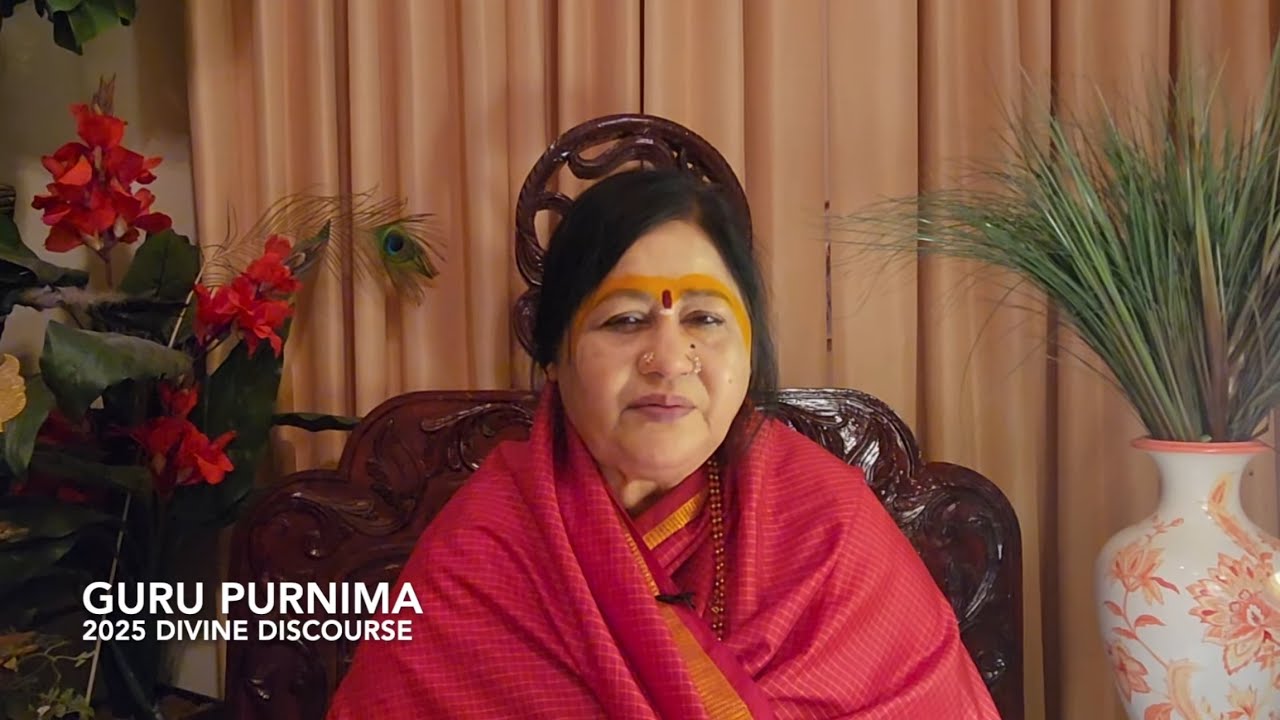
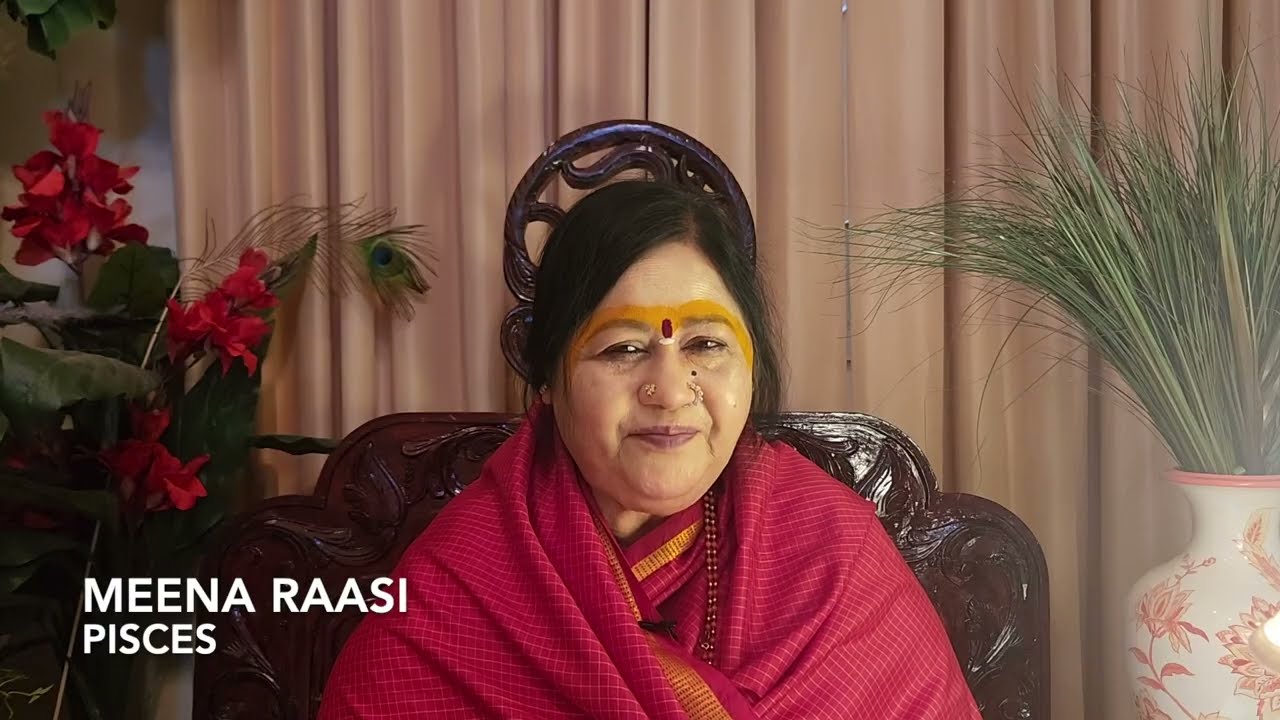
Sri Karunamayi's discourse on the Durga Saptashati (also known as the Devi Mahatmya) teaches the sacred narratives of the Divine Mother's victory over demonic forces, the different manifestations of Durga and Lakshmi, and the profound spiritual benefits of studying and reciting these ancient texts. The Saptashati is not mere mythology but a teaching on how divine power operates in the world and within human consciousness, with direct benefits for devotional practice, protection, and spiritual liberation.

Read · 8 sections

What Is the Durga Saptashati and Why Does It Matter?

The Durga Saptashati, also called the Devi Mahatmya, is one of the most revered Hindu scriptures devoted entirely to the glory of the Divine Mother (Devi). Sri Karunamayi explains that this sacred text reveals the supreme power and multiform nature of the Goddess through a series of divine narratives. Rather than a collection of unrelated stories, the Saptashati maps the ways in which divine feminine energy manifests to protect the cosmos and restore dharma (cosmic order).

The text is composed of 700 verses divided into 13 chapters, organized traditionally into three main cycles. Each cycle tells of a different demonic threat and the specific form of the Goddess who emerges to vanquish it. Sri Karunamayi emphasizes that these accounts are not historical fiction but rather eternal truths about the nature of consciousness and the power of devotion. The Saptashati teaches that the ultimate divine power is feminine, creative, and responsive to sincere prayer.

Who Is Durga and What Are Her Primary Forms?

Durga—meaning "the invincible one"—is presented in the Saptashati as the warrior aspect of the Divine Mother. She rides a lion, carries weapons, and directly confronts forces of ignorance and destruction. Yet within the same text, Lakshmi (the goddess of prosperity and grace) and Saraswati (the goddess of wisdom and learning) also play crucial roles, showing that the Divine Mother is not one form but infinite expressions of creative power.

Sri Karunamayi's discourse highlights Shakambhari Devi, a specific form of the Goddess who manifests to restore fertility and sustenance to the world when drought and famine threaten humanity. Each goddess form—whether warrior, nourisher, or wisdom-bestower—addresses a different dimension of human need and cosmic function. This is not dualism but rather the recognition that divine power must take many shapes to meet the complexities of existence.

The practice of honoring these forms is not about idolatry but about understanding that consciousness itself is dynamic and multidimensional. When devotees meditate on Durga, they cultivate inner strength; when they approach Lakshmi, they invite grace and receptivity; when they invoke Saraswati, they develop clarity and knowledge. The Saptashati teaches that all these powers are ultimately expressions of a single supreme shakti (divine energy).

What Are the Three Main Narratives in the Saptashati?

The Durga Saptashati is traditionally divided into three battles, each revealing a different aspect of how divine power operates:

  • The First Battle: Durga defeats the buffalo demon (Mahishasura), who had terrorized the gods and claimed that no single deity could overcome him. The revelation here is that the ultimate power is feminine and indivisible—no separate male deity could contain it.
  • The Second Battle: Durga confronts two demon brothers, Shumbha and Nishumbha, who represent ego and illusion at an even subtler level than the buffalo demon. This battle teaches that pride and arrogance, even among the "powerful," cannot withstand divine wisdom.
  • The Third Battle: Various forms of the Goddess manifest to face Mahishasura's allies and remaining forces. This cycle illustrates that the victory of consciousness over unconsciousness is not instantaneous but requires sustained engagement and the deployment of many strategies.

Sri Karunamayi emphasizes that each narrative is medicine for a particular spiritual condition. A devotee struggling with powerlessness finds courage in Durga's battles; one seeking material sustenance finds blessing in Lakshmi's grace; one seeking clarity finds illumination in Saraswati's presence. The Saptashati is thus a complete spiritual pharmacy, written in the language of myth and devotion.

How Does the Saptashati Connect to the Vedas?

Sri Karunamayi places the Saptashati within the broader Vedic tradition, noting its alignment with the Yajurveda and other sacred scriptures. The text is not a later development but a crystallization of eternal truths contained within Vedic knowledge. The Gayatri Mantra, the supreme mantra of the Vedas, is invoked throughout the discourse, linking the power of the Divine Mother to the generative force of sound and light that the Vedas themselves celebrate.

The Saptashati demonstrates that the ultimate reality revealed in the Upanishads—Brahman, the infinite consciousness—takes manifest form as Shakti (divine feminine power). This is not a contradiction but a fulfillment of Vedic wisdom. The text shows that moksha (liberation) is not the escape from manifestation but the recognition that all manifestation is the self-expression of divine consciousness. When a devotee reads the Saptashati with understanding, they are not merely learning stories; they are absorbing the Vedic teaching that consciousness itself is the only true reality.

What Are the Spiritual Benefits of Reciting the Saptashati?

Sri Karunamayi teaches that the benefits of engaging with the Durga Saptashati are both immediate and profound. Traditional texts list several categories of benefit:

  • Protection: Recitation of the Saptashati, especially the Devi Mahatmya itself, is said to protect the devotee from obstacles, negative forces, and the consequences of past actions. This protection operates on multiple levels—physical, mental, and spiritual.
  • Prosperity and Grace (Lakshmi): The portions of the text devoted to Lakshmi's blessings invite abundance and auspiciousness into the life of the sincere practitioner. This is not material greed but the recognition that divine grace makes all endeavors fruitful.
  • Wisdom and Clarity (Saraswati): Reciting the Saptashati refines the intellect and opens the heart to discrimination between the eternal and the temporary, the real and the illusory.
  • Courage and Strength (Durga): The warrior narratives awaken the devotee's own capacity to face challenges, overcome inner demons of fear and doubt, and act with dharmic purpose.
  • Liberation (Moksha): At the deepest level, the Saptashati teaches that all forms of the Goddess ultimately point to the formless, infinite consciousness. Regular study and recitation catalyze the dissolution of ego and the recognition of one's true nature.

Sri Karunamayi emphasizes that these benefits are not magical rewards given by an external force but are natural outcomes of aligning one's consciousness with truth. When the mind is fixed on the divine, obstacles dissolve not because the Goddess removes them externally but because the devotee's perception and capacity are transformed. The deity becomes a mirror in which one recognizes one's own highest nature.

What Is the Relationship Between Mahishasura and Human Consciousness?

The buffalo demon (Mahishasura) is not merely a historical enemy but a symbolic representation of ignorance, ego, and resistance to divine truth. His name itself carries meaning: "mahi" relates to the earth and material existence, and his buffalo form suggests heaviness, inertia, and unconsciousness. Sri Karunamayi's teaching implies that Mahishasura dwells within each human being as the force of denial, attachment, and forgetfulness of the divine nature.

When the Saptashati describes Durga's battle with Mahishasura, it is describing an inner process that must occur within the devotee's own mind. The demons are mental patterns—pride, lust, anger, greed, and delusion. Durga's weapons are not swords but states of consciousness: discrimination, detachment, compassion, and direct knowledge. Every genuine spiritual aspirant must wage this war within themselves. The Saptashati teaches that victory is assured not through force but through alignment with divine truth and unwavering devotion.

How Should One Approach the Study of the Saptashati?

Sri Karunamayi teaches that the Durga Saptashati is not an intellectual exercise but a transformative practice. The text should be approached with:

  • Devotion (Bhakti): The Saptashati is best studied with an open heart, recognizing the Goddess not as an abstract principle but as a loving, responsive presence. Chanting and singing the verses with sincere feeling multiplies their benefit.
  • Contemplation (Dhyana): After reading the narratives, one should sit in silence and reflect on their inner meaning. What demon within me does this story address? How can I awaken the corresponding divine power within my own being?
  • Regular Practice: The Saptashati is traditionally recited during the nine-day Navaratri festival, but daily engagement—even reading a single verse—sustains the connection and deepens understanding over time.
  • Surrender (Sharanagati): The ultimate teaching of the Saptashati is that human effort alone is insufficient; one must surrender to the divine will and trust in the Goddess's grace. Study without this surrender becomes dry intellectualism.

Sri Karunamayi emphasizes that the goal is not to accumulate knowledge about the Goddess but to become merged with Her consciousness. The Saptashati is a path of love, and love's ultimate fruit is union with the beloved.

Where to Go From Here

Engage with the Durga Saptashati through multiple channels: read scholarly translations that illuminate the Sanskrit terms and mythological references; listen to recitations by established teachers and singers to absorb the rhythmic, mantra-like power of the verses; join or participate in Navaratri observances to experience the text within a community of devotees. Consider keeping a daily spiritual journal, noting how the Goddess's stories speak to your own inner struggles and victories. Most importantly, approach the text with an attitude of prayer rather than mere study—ask the Goddess directly for guidance and protection as you read, and remain open to how Her grace may manifest in your life. The Saptashati is alive with power; sincere engagement with it activates that power within the heart of the devotee.

]]>
Transcript

[0:06] ओम नमस्ते तुम्हारा मां

[0:12] यह श्री पीते

[0:16] सुर्पूंजी से

[0:20] शंकर चक्र गधा हंसते

[0:24] श्री महालक्ष्मी

[0:32] नमोस्तुते

[0:36] कोल्हापुरी

[0:38] महालक्ष्मी नमोस्तुते

[0:46] [संगीत]

[0:56] [संगीत]

[1:02] मशीन

[1:05] [संगीत]

[1:17] लंबा सा सुदर्शन चक्र

[1:21] [संगीत]

[1:43] [संगीत]

[2:12] श्री चांदी सप्तशती दिव्या पाटन

[2:24] यह मध्य चरित्रणी

[2:31] मंत्र

[2:36] दर्शन उज्जैन

[3:26] धूम अंडर-120 दुर्गा देवी

[3:30] महत्वपूर्ण शक्ति का विराज

[3:34] शाकंभरी देवी

[3:36] महा मध्यम चरित्र की महाशक्ति का विराज

[3:40] लुथुंडी गायत्री मंत्र विवाह

[4:45] यजुर्वेद

[5:11] लक्ष्मी

[5:59] धर्मप्रसाद दिन चटपद धन लक्ष्मी

[6:05] प्रसाद इन चेतन वीर

[6:11] लक्ष्मी दुल्हन

[6:49] वाणी लक्ष्मी स्वरूप

[6:51] चरित्र अपूर्व में

[6:55] प्रसादी महालक्ष्मी

[7:00] ध्यानिनत वेंट मंत्र दृष्टा साक्षात श्री

[7:05] महा विष्णु

[7:06] वे यह मध्यम चरित्र की ऋषि का विरा

[7:15] धर्म सागर

[7:26] दृष्टि गांव वाली गायत्री मंत्र द्वारा

[7:48] को पीछे से अंतरंग प्रपंच जो अंत समृद्ध

[7:54] मिनट 20 ज्ञानपुर नाकामताड़ा तो

[7:57] विराजितांडी

[7:58] अंतर्दृष्टि कवाली

[8:00] दृष्टिपूर्ण वाक्य

[8:06] लक्ष्मी आपका परिपूर्ण मैंने 219 दर्शन

[8:48] अजंता मां ढलान दो सरकार प्रपंछन लो अनु

[8:52] मधु बहुत पर्यंत

[8:55] खेलने बिल्कुल

[8:59] लक्ष्मी अनाम हिरण्यावर नाम अंतर्म ऋग्वेद

[9:04] अग्नि मिले पुरोहितमांडू अग्नि स्वरूपंगा

[9:08] थे जो महेश्वर पंगा अखंड मिनट 20 वैल्यू

[10:13] ब्रह्मा देवुडु

[10:20] थाना

[10:24] ब्रह्मा थाना न्यूज़

[10:30] दक्षिण दक्षिण

[11:19] दारू पंजाबी

[12:39] महिष्मति अंडर-20

[13:02] महाशिक्त संबंध

[14:08] दक्षिण दक्षिण

[14:35] कुंडा प्राणी कोटी एवं महिषासुरूडू

[16:00] भगवत ने

[16:02] भक्ति तो ध्यान चावल सिंधी

[16:06] अहंकार

[16:08] कहानी

[16:10] अहंकार ने

[16:13] तपस्व यह पुरुष सरगुडु

[16:18] यह विधानाष्टक

[16:26] पवित्र मिनट 20 मध्य चरित्रम

[16:30] जगन्माता महालक्ष्मी

[17:04] ओम शांति शांति शांति

Sri Karunamayi
AuthorSri Karunamayi

Spiritual teacher born in 1968 in Andhra Pradesh who embodies love and compassion, conducting retreats and sharing devotional music to foster spiritual awakening and unity across t…

View profileWebsite
Explore Topics
Durga-saptashatiDevi-worshipHindu-scriptureGoddess-shaktiSpiritual-practice

Got Questions?

Frequently Asked Questions

The Durga Saptashati (also called Devi Mahatmya) is a sacred Hindu text of 700 verses that narrates the victory of the Divine Mother Goddess over demonic forces. It teaches that ultimate divine power is feminine and manifests in multiple forms—Durga, Lakshmi, and Saraswati—to address different aspects of human spiritual need and cosmic functioning.
Durga's warrior form represents the active, protective power of consciousness that vanquishes ignorance, ego, and delusion both in the cosmos and within the human mind. Her battles with demons symbolize the inner spiritual struggle every devotee must wage to overcome mental obstacles and align with divine truth.
Regular recitation of the Saptashati brings protection, spiritual clarity, material grace, inner strength, and ultimately liberation (moksha). These benefits arise naturally when the devotee's consciousness aligns with truth; the text acts as a spiritual medicine that addresses specific internal conditions and awakens dormant divine power within the practitioner.
The Saptashati crystallizes eternal truths found in the Vedas, demonstrating that ultimate reality (Brahman) manifests as Shakti, divine feminine power. It shows that the goal of Vedic wisdom is not escape from manifestation but recognition that all existence is the self-expression of infinite consciousness.
Mahishasura, the buffalo demon, represents ignorance, ego, attachment, and resistance to divine truth. His defeat by Durga symbolizes the spiritual warrior's victory over these inner demons and the restoration of dharmic consciousness within the individual and cosmos.
The Saptashati is most prominently recited during Navaratri, the nine-day festival honoring the Divine Mother. However, devotees can engage with it year-round through daily reading, chanting, and contemplation for continuous spiritual benefit and protection.
Begin with devotion rather than intellectual analysis—chant or read the verses with an open heart, then sit in contemplation on their inner meaning. Regular, even brief engagement with the text, combined with sincere prayer and willingness to surrender to divine grace, gradually reveals the Saptashati's transformative power.

Continue Reading

More from Sri

View All
Guru Purnima 2025: Significance, Sacred Rituals, and Spiritual Transformation
Featured

Guru Purnima 2025: Significance, Sacred Rituals, and Spiritual Transformation

Sri Karunamayi explores Guru Purnima's significance, the symbolic offering of bilva leaves, and how guru's grace cuts karmic bondages and op…

1 min read
Pisces 2025: Jupiter, Saturn & Rahu Effects on Your Year
Featured

Pisces 2025: Jupiter, Saturn & Rahu Effects on Your Year

Sri Karunamayi explains how planetary transits—especially Jupiter, Saturn, and Rahu—shape the Pisces experience in 2025, with practical guid…

1 min read
How Sitting Still Proves You're Already Awakening
Featured

How Sitting Still Proves You're Already Awakening

Most people can't sit quietly without discomfort, but if you can, you're already further along spiritually than you realize. Eckhart Tolle e…

1 min read
The Missing Piece: How Real Thinking Creates Real Results
Featured

The Missing Piece: How Real Thinking Creates Real Results

Most vision boards fail because people skip the actual thinking. Eckhart Tolle reveals the rhythm that unlocks insight and the two distinct …

1 min read

Keep exploring

Continue your journey

More wisdom and gatherings from across the BrightStar directory.

More Articles

Browse the full library of teachings, interviews, and guides.

Back to all articles →

Teachers & Artists

Explore the lineages, musicians, and guides of the conscious world.

Explore artists →

Find an Event

Kirtan, retreats, sound baths, breathwork, festivals — happening soon.

Browse events →